How to Navigate Post-Secondary Basketball Recruiting: The Power of Networking
Post-secondary basketball recruiting is a game in itself, and learning how to play it matters.
Every year, thousands of players across North America compete for a limited number of post-secondary roster spots, with only 4% of athletes successfully making the transition. Coaches can only track so many names, watch so much film, and build relationships with a small group of prospects at a time. Talent alone isn’t enough to get seen.
Just like in job recruiting, who knows you and how they know you makes a real difference. While that reality can feel intimidating, it’s also an opportunity. Players who understand how to network significantly increase their chances of being noticed. As a bonus, building strong communication skills and habits will serve players long after basketball is over.
There is an art to networking with college coaches and it’s a skill every serious player should learn. But before you start networking for yourself, you need to make sure the feedback coaches are sharing about you within their network is positive.
Build a positive reputation before you need it:
Some of the strongest signals you send a coach are through your advocates. What are your coaches saying about you? How do you think people would describe you as a player in a couple of sentences? Coaches trust their own network more than video highlights. Even weak players can string together a few decent clips. Coaches look to colleagues for information on strengths and weaknesses that don’t come through on video. Does this player work hard in practice? Are they a leader? Are they coachable?
Good post-secondary programs get feedback from as many different sources as possible, asking high school, club, and opponent coaches about players. It is important to know that every moment on and off the court is reflective of you and your personal brand.
Ask yourself:
How do you act when you’re not in the spotlight?
- Your body language on the bench
- How you react to being subbed out
- Whether you stay engaged when you’re having an off game
How do you treat your teammates?
- Are you upset when a teammate has a stronger game than you?
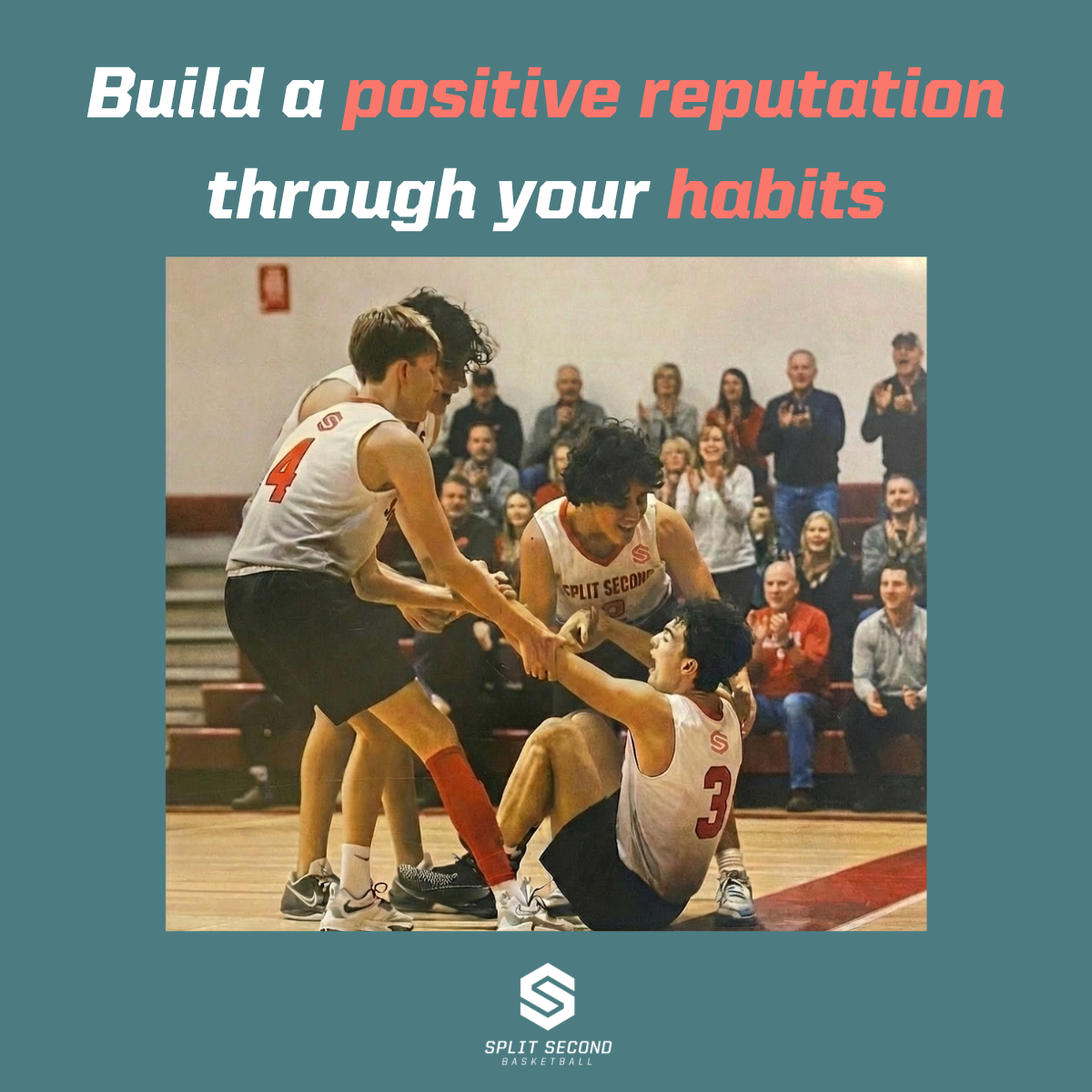
- Do you run over to help pull up a teammate who takes a charge or are you focused solely on your own game?
Are you consistent?
- Are you competing in every drill at every practice?
- Does your attitude depend on the situation or on who is in the gym?
These behaviours reveal coachability, emotional control, and maturity, all of which are incredibly important at the next level. This doesn’t mean you’re not allowed to have an off-day, but understand it takes your whole career to build a positive reputation, and a few negative comments to majorly impact it.
In the game of networking, your advocates will have a far bigger impact on your recruiting outcomes than any Instagram highlight reel or out-reach email. Know this and act accordingly.